- Grow 📧 Monetize
- Posts
- 📩 Why the smartest publishers are about to cut their lists in half
📩 Why the smartest publishers are about to cut their lists in half
Your dashboard is lying. Here's the math.

Captain YAR
May 04, 2026
Why The Smartest Publishers Are Cutting Their Lists In Half On PurposeThe quiet math, the 5-minute rule, and the diversification play that's separating the operators who scale from the ones who quietly stall
Most publishers panic when their list shrinks.
The smartest ones are about to slice theirs in half. On purpose.
Here's what's happening across the industry right now, in the wake of Yahoo's deliverability collapse, Apple's tightening grip, and Gmail's increasingly aggressive engagement filtering.
Grab a coffee. This one is dense.

Your coworker already uses it. Your neighbor already uses it. That person on LinkedIn who won't shut up about it? Definitely uses it.
3-Minute AI gives you free courses. Pick a topic. Learn by doing, not by reading.
"Active" doesn't mean what you think
A "recent open" with zero clicks over 12 months isn't a real subscriber.
Some accounts have received 500+ emails and never clicked once.
In reality:
They're not buying. They're not clicking. They're dragging down sender reputation. They're inflating the "active" number publishers brag about at conferences.
The biggest lists in this business are 15+ years old. There is a mountain of accumulated noise in them. The most aggressive scrubs in publishing history are happening right now, and they're happening because operators finally trust the math more than the dashboard.
It feels like burning revenue.
It's actually protecting it.
The 5-minute rule that kills half your opens
When you send to a Gmail subscriber, if the open pixel fires within the first five minutes, treat it as automated. Not a real human open. Filter it out of every engagement metric.
Why does that matter?
Gmail's image proxy and security scanners are firing those pixels at scale. If you treat every pixel hit as engagement, you're triggering automations off bots, misreading your domain reputation, sending more email to people who never wanted it, and building an audience model on fiction.
When publishers apply the rule, a much higher slice of "opens" reclassifies as automated. That cascades into fewer triggered sends, less noisy automation, and a more honest picture of who's actually paying attention.
If your open rate is your key metric right now, sit with this question.
How much of it is human?
All eggs, one basket
A year ago, when Yahoo torched the financial publishing industry, smart operators had a sobering thought. All our eggs are in one ESP basket. This is a very risky thing we're doing.
One blocked domain. One flagged IP range. The whole business model wobbles.
The play that's working now is a second sending platform running in parallel with the main domain. When someone signs up on the primary site, an API call automatically subscribes them to a secondary brand list inside Beehiiv. That subscriber now lives in two places. If anything goes sideways on the main sending domain, you still have a direct line to that reader.
Open rates on those secondary lists? 40 to 50 percent globally. Healthy click-through.
This is what real risk management looks like in 2026. Not a prayer. A second sender.
In partnership with

How Marketers Are Scaling With AI in 2026
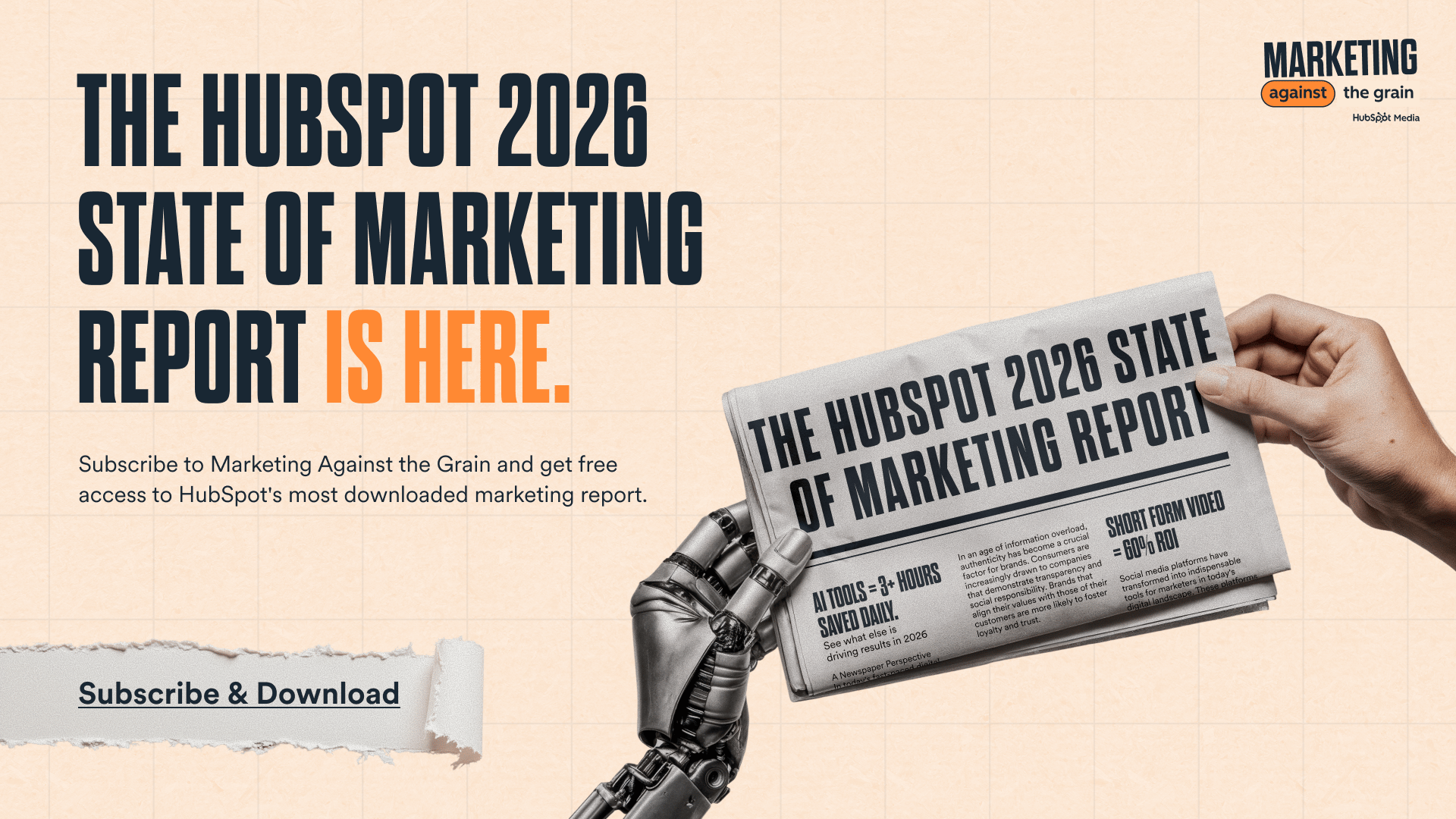
61% of marketers say this is the biggest marketing shift in decades.
Get the data and trends shaping growth in 2026 with this groundbreaking state of marketing report.
Inside you’ll discover:
Results from over 1,500 marketers centered around results, goals and priorities in the age of AI
Stand out content and growth trends in a world full of noise
How to scale with AI without losing humanity
Where to invest for the best return in 2026
Download your 2026 state of marketing report today.
The "make money button"
This one sounds dumb until you see what it does to revenue.
Inside your ESP, build an automation that takes your most recently active subscribers (clicked something in the last 7 days) and triggers your highest-converting emails at that segment. Top advertiser offers. Best in-house product pitches. The stuff that actually pays.
The whole thing rests on a simple insight. If someone clicked something in the last 7 days, they're paying attention. That's the moment to monetize. Not next Tuesday because the calendar says so.
Most publishers do the opposite. They send their best offer to the entire list on a fixed cadence.
The smarter system sends the best offer to the people whose behavior just told you they're listening.
If you haven't built this yet, you're leaving money on the table every single day.
The bot war
Corporate security scanners, AWS-based bots, and Azure click farms are clicking links inside your emails before any human ever sees them. If you're triggering automations off every click, you're feeding bad signal to your ESP and corrupting your own data warehouse.
The approach that's working:
Filter clicks by ASN. A click from Google Cloud, AWS, or Azure IP ranges is almost certainly not a person. Send suspicious clicks through a Cloudflare interstitial before they hit your redirect script. Real humans pass. Bots don't. Layer two checks. ASN filter first, bot detection on redirect second. Do not unsubscribe the address. A security scanner can be running on a real person's mailbox. Scanner clicks. Person also clicks. Discount the scanner, not the human.
That last one is the part most publishers miss. They either ignore bot clicks (corrupting their data) or unsubscribe the address (losing a real reader). The right move sits in the middle.
If you send a triggered email off every click or every open, you're going to have a bad day.
Are you tracking agent views on your docs?

AI agents already outnumber human visitors to your docs — now you can track them.
*Ad
The metric almost nobody tracks
For every 1,000 leads from a given source (Twitter, Meta, co-reg, organic, partnerships), what percentage actually click on anything within the first 30 days?
That's activation rate by channel.
If your Meta leads activate at 20 percent and your co-reg leads activate at 5 percent, you don't have an audience growth problem. You have an audience quality problem. And the fix sits upstream of every deliverability tactic above.
Most publishers track CPL.
Almost nobody tracks activation by channel.
The ones who do are the ones quietly scaling paid acquisition profitably while their peers struggle.
Three things to sit with
The willingness to cut. Deleting millions of "active" subscribers because they aren't real takes a level of intellectual honesty most operators can't bring themselves to.
The discipline of measurement. The 5-minute pixel rule. The ASN filter. Activation rate by channel. These separate publishers who talk about engagement from publishers who actually run on it.
The diversification mindset. A second sending platform as risk insurance, not a primary play. Multiple lists, not one. Don't wait for Yahoo (or Gmail, or Apple) to teach you the hard way.
If you publish in any vertical the ISPs treat as "high risk" (finance, health, opportunity-style content), these are the moves that matter right now.
Try this before your next send
Pull your last 30 days of opens. Filter out every pixel hit that fired inside the first 5 minutes after delivery. Look at the new open rate. That's the real one.
Then pull your "active in last 90 days" segment and count how many have clicked at least once in the last 12 months. The difference between those two numbers is the size of the cut you've been avoiding.
Reply and tell me what you find.
What's hiding in your Google Ads account?

Most ecommerce brands that Echelonn audits have the same issues. Wasted spend hiding in campaign structure. Feed problems killing Shopping performance. Broken tracking leading to bad decisions. They’ve seen it all across 300+ accounts. Book a free audit and they’ll show you exactly where the gaps are.
*Ad